If you live in Indianapolis, Carmel, Fishers, Noblesville, or Greenwood, you already know that Central Indiana weather is not predictable. Winters drop below freezing for weeks. Summers push past 90°F. And that temperature swing has a direct impact on how hard your home works to stay comfortable, including what happens inside your garage.
Most homeowners overlook the garage door. It’s the largest moving part of a house, and if it’s a standard non-insulated panel door, it’s essentially a hole in your thermal envelope every time the temperature changes. Insulated garage doors fix that. And they do a lot more than just hold heat in.
This article breaks down the real benefits of insulated garage doors for residential use in Central Indiana, based on how they’re built, what they actually do, and whether they’re worth the investment.
The core function of an insulated garage door is creating a thermal barrier between the inside of your garage and the outdoor air. The measure of that barrier is called the R-value, the higher the number, the better it resists heat transfer.
A standard single-layer steel door has an R-value close to zero. A factory-insulated door using polyurethane insulation, which expands to fill the panel cavity, can reach R-12 to R-18 or higher. Polystyrene insulation, which is cut to fit into the panel layers, typically lands in the R-6 to R-11 range. The construction method matters.
For homes in Indianapolis and surrounding areas, reducing HVAC system strain in the garage is measurable. If the garage is attached to the house, cold air and drafts from a poorly insulated door work their way into the living space. According to ENERGY STAR guidelines, air infiltration through attached garages contributes to overall home energy loss. Weatherstripping alone doesn’t fix it, you need the door itself to perform.
Energy savings vary by home and usage, but homeowners with attached garages in cold climates report consistent reductions in winter heating costs after upgrading to energy efficient garage doors. Some qualify for energy tax credits depending on the product and the tax year, check current IRS guidelines if that’s a factor.
Improved Temperature Regulation and Year-Round Comfort
Temperature controlled garage space changes how useful that space actually is. If you use your garage as a workshop, home gym, or storage area, an uninsulated door makes that space nearly unusable in January or August in Midwest conditions.
Insulated garage doors help maintain a more stable interior temperature, not perfectly climate-controlled, but significantly less extreme. The layered panel construction, combined with weatherstripping and proper attic insulation in the garage ceiling, creates a much more livable space.
For detached garages in Noblesville or Greenwood, the thermal benefits are still real even without a direct connection to the house. Keeping a detached garage above freezing protects equipment, prevents pipes from bursting, and makes short-term use in cold weather reasonable.
Humidity control is another factor. Midwest garage door insulation helps reduce the extreme moisture swings that come with temperature changes. Less moisture build-up means less rust on tools, less mold risk, and better conditions for stored items overall.
Noise Reduction for Quieter Homes
Noise reduction is one of the less obvious benefits of insulated garage doors, but it’s significant. The insulation layer acts as a sound barrier, absorbing vibration and outside noise. This is particularly relevant for homes near busy roads in Indianapolis or Fishers suburbs where traffic noise is constant.
It also reduces the operational noise of the door itself. Vibration damping from the insulated construction means the door rattles less, operates more quietly, and puts less mechanical stress on the springs and mechanisms and garage door opener. That’s a small but real maintenance benefit over time.
Enhanced Durability and Longevity
Insulated residential garage doors are built differently than single-layer panel doors. The layered construction, typically two or three steel layers with insulation between them, creates a structurally stronger door. Steel construction combined with polyurethane fill is particularly rigid.
That added rigidity translates to better dent resistance. A single-layer steel door can flex and dent from minor impacts, a wayward basketball, a bump from a vehicle, wind pressure. Insulated doors are harder to dent and hold their shape better over years of use.
Warping resistance is another durability factor. In Central Indiana, temperature swings between seasons are significant. Single-layer doors expand and contract more with temperature changes, which over time causes warping and misalignment. Factory-insulated construction is more dimensionally stable.
Lower maintenance costs are the long-term payoff here. A more durable door needs fewer repairs, maintains its seal better, and extends the time between replacements. When you factor in maintenance costs over 10-15 years, the gap between insulated and non-insulated garage doors narrows considerably.
Better Protection for Vehicles and Stored Belongings
Extreme temperatures damage vehicles and stored items in ways most people don’t think about until it happens. Car batteries perform worse in cold, they lose roughly 20% of their capacity at 32°F and around 50% at 0°F. Keeping the garage warmer in winter extends battery life and improves cold-start performance.
Paint, wood furniture, seasonal equipment, canned goods, and electronics stored in the garage are all sensitive to temperature extremes and humidity. An insulated garage door is part of the overall protection strategy for that space, not the only factor, but a meaningful one.
In Carmel and Fishers neighborhoods where garages double as storage for outdoor gear and lawn equipment, this matters year-round, not just in winter.
Increased Curb Appeal and Home Value
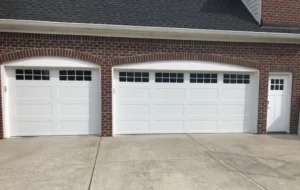
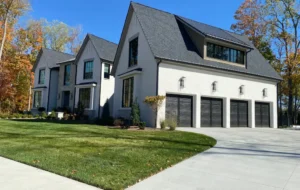
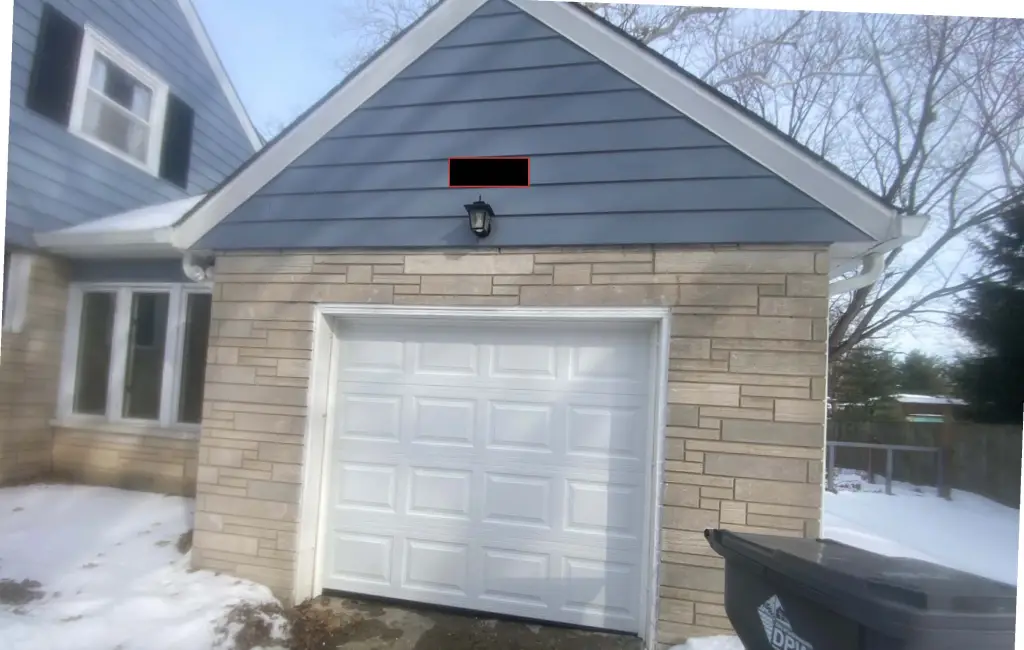
The garage door takes up a substantial portion of the front face of most homes. Upgrading to an insulated door typically means upgrading to a newer, better-looking door as well. Carriage house designs, raised panel doors, insulated garage doors with windows, decorative hardware, and a range of color choices are all available in insulated configurations.
Remodeling Magazine’s annual Cost vs. Value report consistently ranks garage door replacement as one of the highest return-on-investment home improvement projects nationwide, typically recovering 90-100% of installation costs in home resale value. An insulated garage door with windows or a modern carriage style can push that number even higher in competitive markets like Noblesville and Greenwood.
If you’re considering listing your home, a weatherproof, energy efficient door is a concrete selling point, not just aesthetics. Buyers looking at durable garage doors in Indiana increasingly factor in energy performance.
Addressing Common Myths and Considerations
There are a few persistent myths about insulation worth addressing directly.
“A garage door insulation kit does the same thing.” DIY insulation kits exist and they do raise the R-value of an existing door. But they don’t replicate factory-insulated construction. Retrofit kits add weight to the door, which can affect how the springs and mechanisms are balanced, potentially leading to premature wear. Professional installation of a factory-insulated door is the more reliable long-term choice.
“It’s only worth it if the garage is heated.” Not accurate. Even an unheated insulated garage benefits from a higher R-value door because the door reduces heat loss from the adjacent living space in attached garages, and keeps temperature extremes more moderate in detached garages. The thermal garage door efficiency benefit is present regardless of whether you’re actively heating the space.
“Are glass garage doors insulated?” Insulated garage doors with windows are available, but the windows themselves are typically double-pane insulated glass to maintain garage door thermal efficiency. Full glass garage doors are a different product category and generally have lower R-values than solid insulated panel doors.
On installation costs: insulated doors cost more upfront than non-insulated options, typically $200-$500 more depending on size, style, and insulation type. But when you account for energy savings, lower maintenance costs, longer lifespan, and improved home value, the return on investment (ROI) is well established for Central Indiana homeowners.
Annual inspections are worth scheduling after installation, checking weatherstripping, spring tension, and panel alignment ensures the door continues to perform as designed.
How Northside Garage Door Systems Can Help You
At Northside Garage Door Systems, we specialize in insulated garage door installation for Central Indiana homeowners in Indianapolis, Carmel, Fishers, Noblesville, and Greenwood. We offer factory-insulated doors with polyurethane or polystyrene construction, various R-values, and styles including raised panel, carriage house, and insulated garage doors with windows.
Our team provides full professional installation, including proper spring balancing, weatherstripping, opener compatibility, and final inspection. We ensure the door seals well and operates smoothly in local weather conditions.
We also provide annual inspection services to maintain your door’s R-value by checking weatherstripping, springs, panels, and seals. Good maintenance helps preserve the energy efficiency you paid for.
Contact Northside Garage Door Systems today or Call (317) 575-0983 for a free estimate on insulated garage door installation in Indianapolis, Carmel, Fishers, Noblesville, or Greenwood and all of Central Indiana. We’ll review R-value options, styles, and the best fit for your home, no pressure, just honest advice.
Frequently Asked Questions (FAQs)
Is an Insulated Garage Door Worth the Extra Cost?
Yes. The price difference is usually $200 to $600 more than a non-insulated door. You get that back through lower energy bills, less HVAC strain, and a longer-lasting door. For attached garages in Central Indiana, it's almost always worth it.
Why Do Homeowners Choose Insulated Garage Doors?
A few main reasons. Lower utility bills. A more comfortable garage year-round. Less noise from outside and from the door itself. The layered steel construction is more durable and dent-resistant. And at resale, an insulated door adds curb appeal and home value. Most Indiana homeowners with attached garages choose insulated for at least one of these reasons.
Average Cost of Insulated Garage Doors in Central Indiana
Installed pricing runs $700 to $1,200 for a single-car door and $1,100 to $2,200 for a double-car door. Polyurethane insulation costs more than polystyrene but delivers a higher R-value. Style upgrades like windows or carriage house designs add to the price. Labor in the Indianapolis area is typically $150 to $300.
How Much Does a 9x7 Insulated Garage Door Cost?
Expect $700 to $1,200 installed. Basic polystyrene doors start at the lower end. Polyurethane with higher R-values and better styling sits in the middle to upper range. Most standard single-car garages in Central Indiana take a 9x7. Non-standard sizes require a custom order and cost more.
Best Insulation Type for Central Indiana Weather
Polyurethane. It fills the entire panel cavity, delivers R-12 to R-18, and handles Indiana's temperature and humidity swings better over time. Polystyrene is a solid budget option at R-6 to R-11, but for attached garages in Indianapolis, Carmel, or Fishers, polyurethane is worth the extra cost.
Budgeting for a New Insulated Garage Door
Single-car replacement with standard hardware: $850 to $1,400. Double-car with updated hardware: $1,500 to $2,500. Factor in springs and cables if hardware is over 7 years old, and opener compatibility if your current unit is older. Always get an itemized quote before work starts.
Conclusion
Insulated garage doors are worth it for most Central Indiana homeowners, especially in Indianapolis, Carmel, Fishers, Noblesville, and Greenwood with big temperature swings and attached garages.
Key benefits include better energy efficiency, noise reduction, durability against Indiana weather, protection for vehicles and belongings, plus improved curb appeal and home value.
The R-value, construction (polyurethane or polystyrene), and professional installation all matter for proper sealing and performance.
Instead of asking “is garage door insulation worth it?”, most homes should focus on choosing the right R-value and style for their garage and usage.