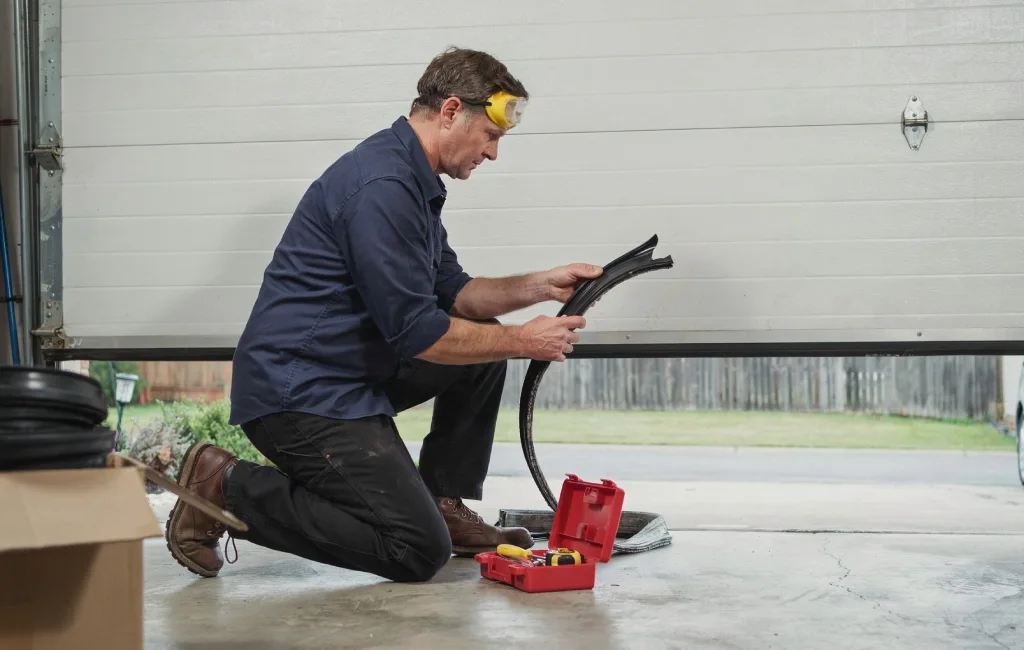
If you’ve noticed daylight peeking under your garage door, or water creeping in after a hard rain, garage door seal replacement is probably overdue. This isn’t a job that needs a professional most of the time. It’s something a homeowner in Central Indiana can knock out in an afternoon with a few basic tools.
The seal along the bottom of your door, and sometimes the sides and top, is what keeps out drafts, water, dust, and the occasional mouse looking for shelter. Once that rubber or vinyl strip cracks, flattens, or pulls loose, none of that is being stopped anymore. This guide walks through the whole process, from picking the right seal to trimming the excess once it’s installed.
A worn seal doesn’t just look bad. It lets in cold air in January and hot, humid air in July, which means your HVAC system works harder if the garage is attached to the house. Water intrusion is the bigger problem, though. Standing water along the base of a garage door can warp wood panels, rust metal tracks, and soak through drywall over time.
In a place like Central Indiana, where winters bring freeze-thaw cycles and spring brings heavy rain, a cracked or gapped seal turns into a slow, expensive problem if it’s ignored. Garage door seal replacement is one of those maintenance tasks that costs almost nothing compared to what happens if you skip it.
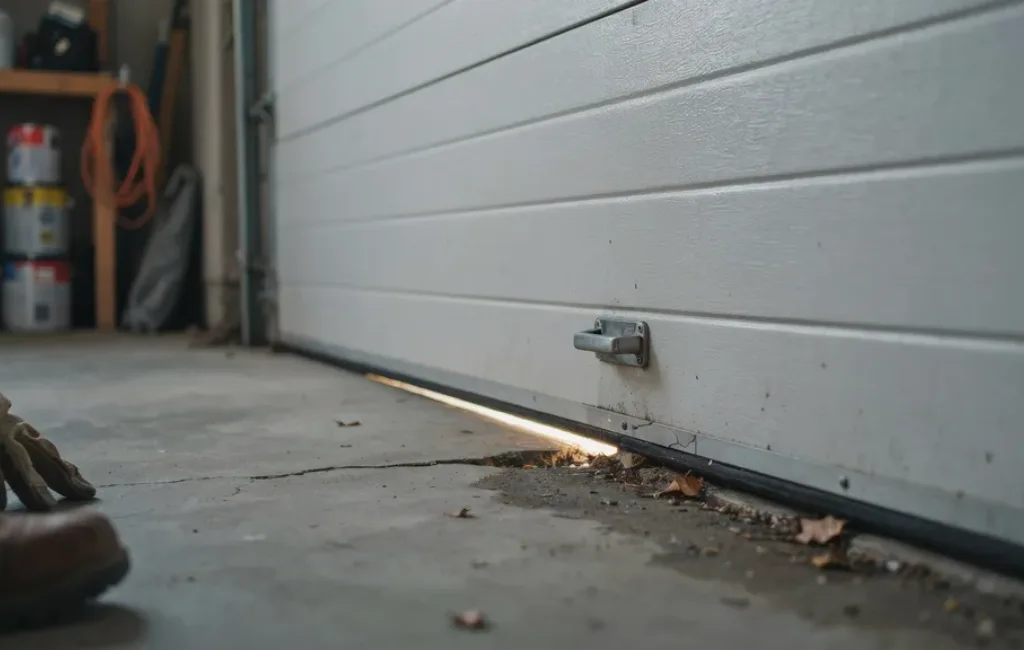
Signs You Need a New Garage Door Seal
Look for a daylight gap along the bottom edge when the door is closed. Run your hand along the seal, if it’s brittle, cracked, or flattened out from years of contact with the floor, it’s done. Water stains on the garage floor near the door, drafts you can feel standing near it, or an unusual amount of dust and leaves getting in are all signs the weather stripping has failed.
Floor irregularities in older concrete slabs can also create gaps even with a decent seal, which is worth checking before you buy a replacement.
Essential Tools for a Garage Door Seal Replacement
You don’t need much. A tape measure, a utility knife, a bucket of soapy water, and the new seal itself. Some seals slide into a track and benefit from the soapy water as a lubricant to help them glide through without tearing.
If you’re dealing with an astragal seal or one that’s nailed rather than tracked, you’ll also want galvanized nails and a hammer. A pry bar helps if the old seal is stuck or painted over.
How to Replace Garage Door Bottom Seal Step by Step
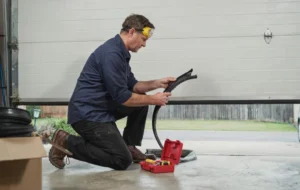
Below we will discuss in detail the how to replace garage door bottom seal step by step process and hopefully you will get a clear idea through the images as well.
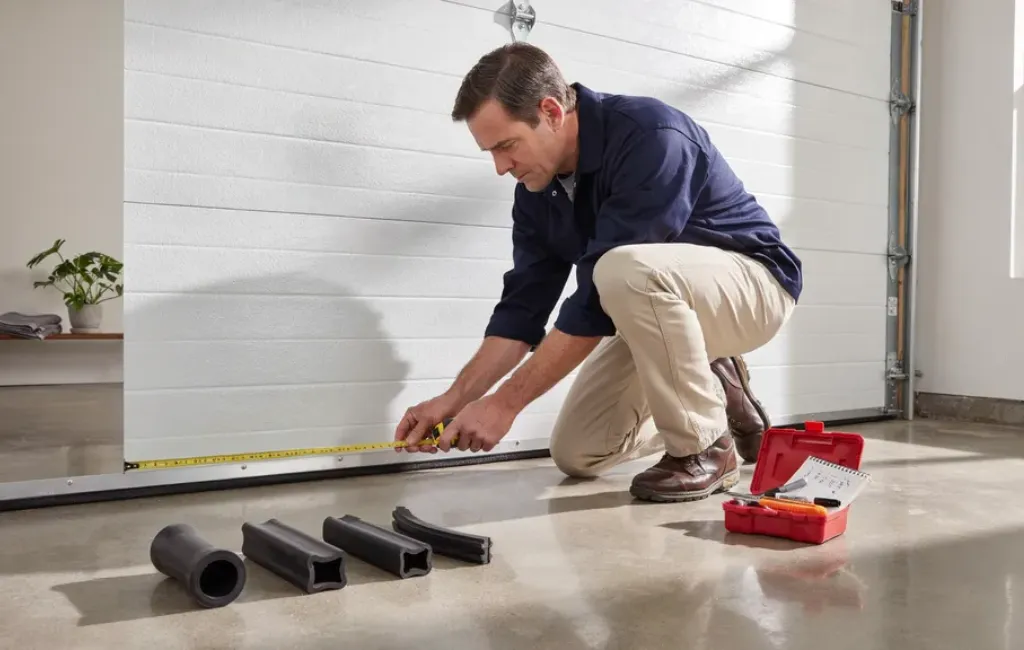
Step 1. Start With the Correct Seal.
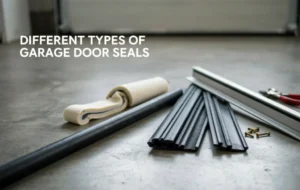
Garage door bottom seals come in different types of shapes, bulb-style, T-style, and the flatter U-shaped gasket. Measure your existing seal’s retainer channel before buying a replacement, because a T-style seal won’t fit a track built for a bulb seal. Width matters too. Most residential doors run 8, 9, or 16 feet wide, so measure the actual door rather than guessing based on a standard size.
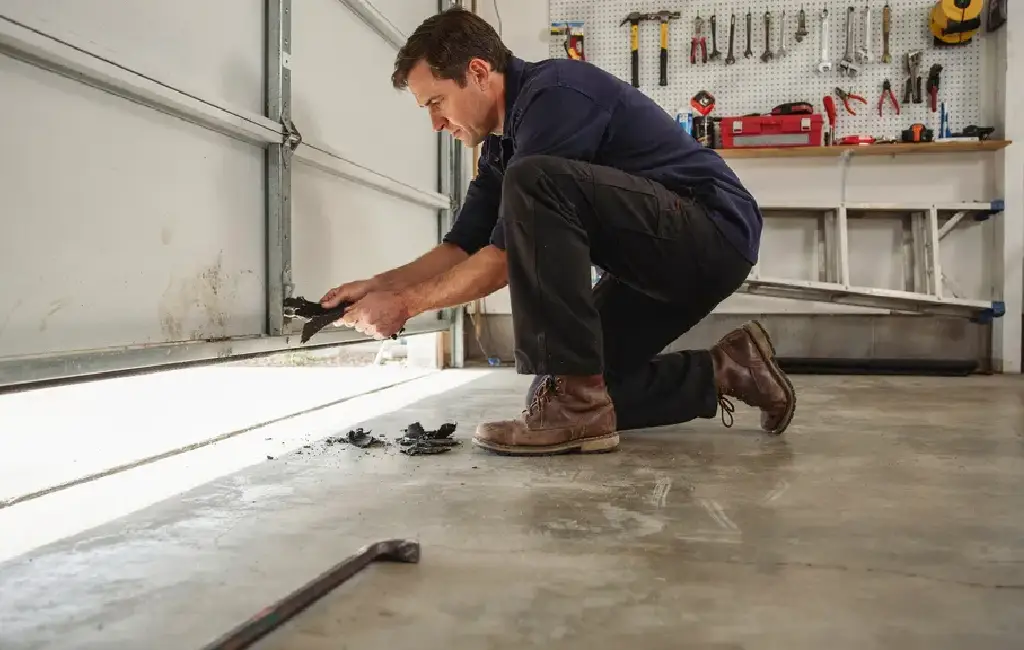
Step 2. Remove the Existing Seal.
Open the garage door partway so you have room to work without kneeling in an awkward spot. Pull the old seal out of its track, or if it’s nailed down, pry it loose carefully. Old, hardened rubber can crumble as you pull it, so expect some cleanup.
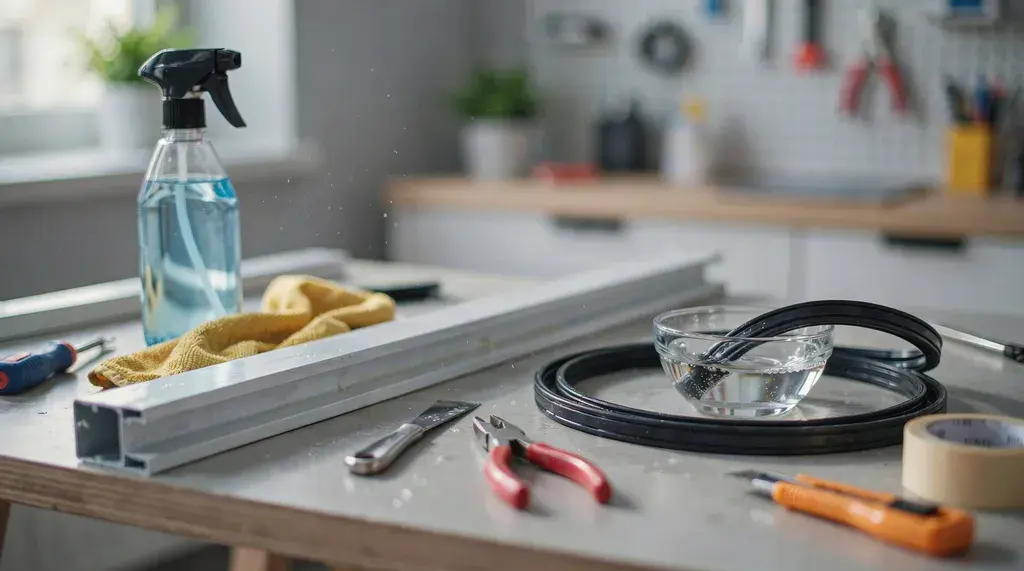
Step 3. Get Everything Ready for Installation
Clean the track or the bottom edge of the door panel. Dirt, old adhesive, or rust in the channel will keep the new seal from sitting flush. This is also when you dip the new seal’s edge into soapy water if it’s a track-style seal, it makes feeding it through far easier.
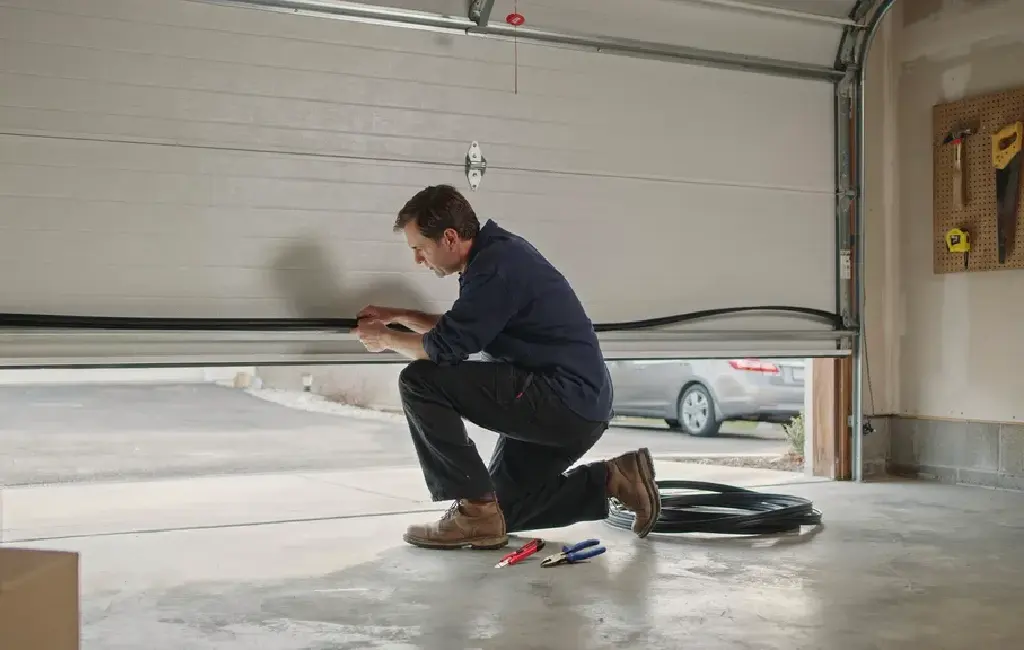
Step 4. Place the New Seal.
Feed one end of the seal into the track and slide it through the full length of the door. For nailed seals, start at one end and work across, keeping it straight as you go. Don’t rush this part. A crooked seal will leave gaps no matter how good the material is.
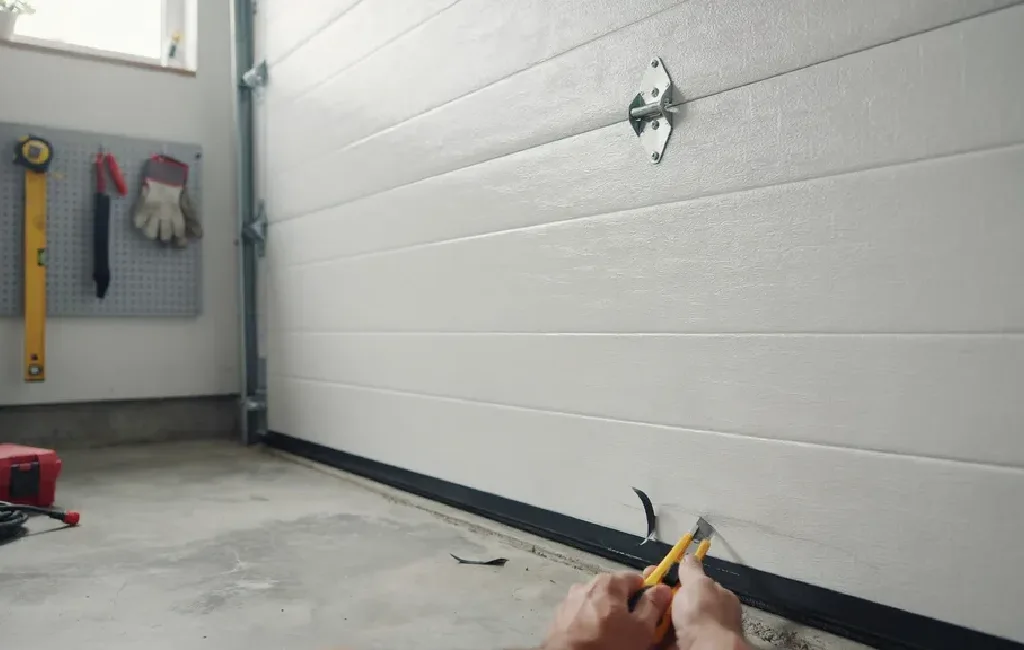
Step 5. Trim the Excess.
Once the seal is fully seated, use the utility knife to trim both ends flush with the door edges. Leaving excess material bunched at the corners is one of the more common mistakes, and it prevents a clean seal at the sides.
Garage Door Side and Top Weather Stripping Replacement
The bottom seal gets most of the attention, but side and top weather stripping wears out too, usually from sun exposure and repeated door movement. This stripping typically nails or clips into place along the door frame.
Replace it the same way, remove the old strip, clean the surface, and press or nail the new piece in place, checking that it makes contact with the closed door along its full length. Doing all three sides at once gives you the full benefit, since a gap on any one side still lets in drafts and water no matter how good the bottom seal is.
How Northside Garage Door Systems Can Help
If you’d rather have a professional handle your garage door seal replacement, North Side Garage Door Systems is here to help. This local Central Indiana company specializes in quick and reliable garage door repairs and maintenance.
Our team can replace the bottom seal, side and top weather stripping, fix tracks, and solve other issues to keep your garage weathertight. We serve Metro Indianapolis, Carmel, Zionsville, Fishers, Greenwood, and all of Central Indiana.
Call North Side Garage Door Systems for a free estimate: (317) 575-0983
Frequently Asked Questions (FAQs)
How often should a garage door seal be replaced?
Most vinyl and rubber seals last three to five years, less if the garage faces direct sun or gets heavy daily use.
Can I install a threshold seal instead of replacing the bottom seal?
Yes, a vinyl threshold seal on the garage floor can work alongside or instead of a bottom seal, especially where the floor itself is uneven.
Conclusion
If the gap under your door is more than an inch, or the track itself is bent or rusted through, that’s a sign to call a garage door technician rather than pushing forward with a DIY fix. But for the average worn seal, replacing it yourself is straightforward, affordable, and one of the better maintenance jobs you can do to keep a Central Indiana garage weatherproofing through every season.