If you’ve ever had to deal with garage door sensors that keep malfunctioning, you’ve probably found yourself wondering how to bypass garage door sensors. Fortunately, you’re not alone. Many homeowners face issues with these sensors from time to time. Maybe your sensors keep misreading, causing your garage door to refuse to close, or perhaps they’ve become damaged and you need a quick fix. Whatever the reason, knowing the right methods can help you temporarily get your garage door functioning again until you can arrange for professional repairs.
Today, we will take a look at some of the safest ways to handle sensor issues, proven methods to bypass them when necessary, and important tips on when and how to troubleshoot common problems. We will also show you why frequent bypassing is best avoided, and look into some alternative solutions to keep your garage door operating safely.
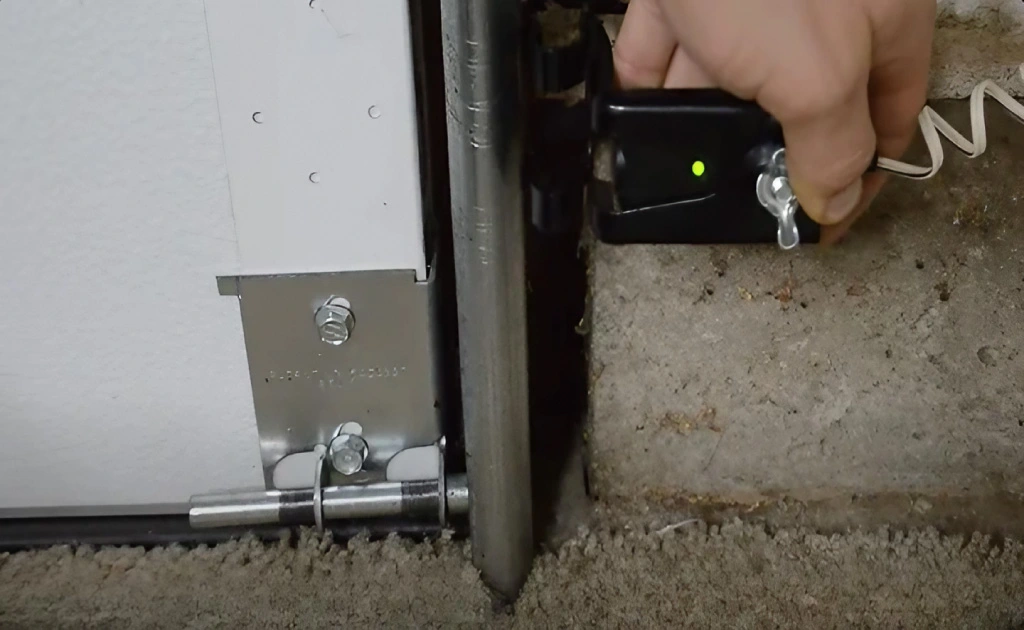
Let’s start by getting clear on what garage door sensors are and how a photo eye sensor works. Simply put, garage door sensors are safety devices that are installed near the base of your garage door on both sides of the opening. Their main job is to detect objects, pets, or people that are in the path of a closing door. When something crosses the sensor’s invisible beam, your garage door stops immediately and reverses direction, preventing both accidents and injuries.
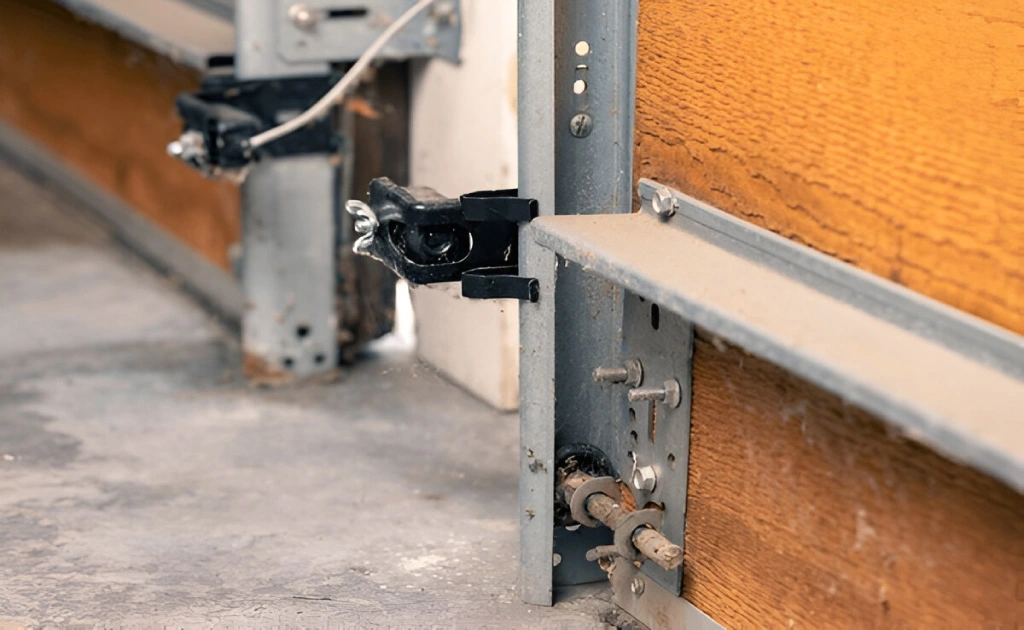
Most garage door sensors use an infrared beam that connects between two small units facing each other across your garage opening. One sensor sends the beam, while the other receives it. As long as the beam stays uninterrupted, your door functions smoothly. If the beam is broken, even for just a brief moment, the door won’t close. You’ll usually see this indicated by blinking lights on one or both sensors, alerting you to a blockage or problem.
These sensors became mandatory for new garage doors in the early 1990s to prevent serious accidents, especially involving children. Understanding how these sensors work can save you time and frustration. If your garage door isn’t closing properly, the first place to check is always the garage door sensors. Often, something simple like dust, debris, or misalignment is what’s causing the issue.
Knowing the basics about your sensors also helps you better understand when it’s okay to bypass them temporarily, and when you need to call a professional for repairs to keep your family safe.
Why You Might Need to Bypass Garage Door Sensors
Understanding how garage door sensors work is helpful, but sometimes you might find yourself needing to bypass them. There are a few common scenarios where bypassing makes sense, at least temporarily.
For example, your sensors could suddenly fail, preventing your garage door from closing properly. Maybe you’ve tried cleaning and adjusting them, but the door still won’t budge. In this situation, knowing how to bypass garage door sensors can help you safely secure your home until you can get a professional in for repairs.
Another reason might be if your sensors become damaged during bad weather, like a storm or heavy rain. Moisture or water damage can interfere with how garage door sensors work, leaving your door stuck open when you really need it closed. Bypassing the sensors allows you to quickly close the door, protecting your garage from further weather damage or security risks.

Sometimes, you might temporarily bypass sensors for convenience, such as when working on your garage or doing maintenance. Sensors can also occasionally become overly sensitive, detecting obstructions that aren’t actually there, like small debris or even sunlight interference. This can become frustrating if you’re in a hurry.
However, keep in mind that bypassing should always be temporary. These sensors are very important for your family’s safety, protecting against serious injuries or accidents. After you’ve bypassed them, make plans to have them properly repaired or replaced with new garage door sensors as soon as possible to ensure your garage door remains safe and reliable.
Is It Safe and Legal to Bypass Garage Door Sensors?
Understanding how garage door sensors work is helpful, but sometimes you might find yourself needing to bypass them. There are a few common scenarios where bypassing makes sense, at least temporarily.
For example, your sensors could suddenly fail, preventing your garage door from closing properly. Maybe you’ve tried cleaning and adjusting them, but the door still won’t budge. In this situation, knowing how to bypass garage door sensors can help you safely secure your home until you can get a professional in for repairs.
Another reason might be if your sensors become damaged during bad weather, like a storm or heavy rain. Moisture or water damage can interfere with how garage door sensors work, leaving your door stuck open when you really need it closed. Bypassing the sensors allows you to quickly close the door, protecting your garage from further weather damage or security risks.
Sometimes, you might temporarily bypass sensors for convenience, such as when working on your garage or doing maintenance. Sensors can also occasionally become overly sensitive, detecting obstructions that aren’t actually there, like small debris or even sunlight interference. This can become frustrating if you’re in a hurry.
However, keep in mind that bypassing should always be temporary. These sensors are very important for your family’s safety, protecting against serious injuries or accidents. After you’ve bypassed them, make plans to have them properly repaired or replaced as soon as possible to ensure your garage door remains safe and reliable.
How to Bypass Garage Door Sensors: Proven Methods
If your garage door sensors aren’t cooperating and you’re looking for quick solutions, knowing exactly how to bypass garage door sensors can be very handy. Remember, this should always be a temporary solution until you can have the sensors repaired or replaced professionally. Here are a few safe and easy methods to help you get your garage door closed when the sensors are causing problems.

Method 1: Wall Button Hold-Down Technique
One easy way to bypass sensors temporarily is to hold down the garage door button on your wall-mounted opener control. Simply press and hold the button until your garage door closes completely. Keep in mind, this only works from inside your garage, and you must hold the button down until the door reaches the ground. This quick method is perfect when you’re in a rush and need your door shut fast. While this technique helps you manage immediate issues, it won’t permanently solve sensor problems, but it’s helpful until you get repairs done.
Method 2: Physical Sensor Repositioning
Another method for understanding how to bypass garage door sensors involves physically repositioning the sensors themselves. Carefully align both garage door sensors face-to-face, only a few inches apart, creating a clear, uninterrupted connection between them. This way, the sensors believe the doorway is clear and allow your garage door to close. It’s a handy trick, especially if something’s blocking or affecting your sensors, like bright sunlight or temporary damage. Again, this should only be temporary.
Method 3: Wire Disconnection (Advanced Users)
If you’re a little more tech-savvy and comfortable working with wires, another way to bypass sensors temporarily involves disconnecting and reconnecting wires at the garage door opener itself. Locate your opener motor housing (usually on the ceiling), and you’ll find the sensor wires connected to it. First, disconnect these sensor wires and connect short jumper wires between the sensor terminals. This effectively bypasses your sensors, allowing the door to close. However, use this method with caution, since incorrect wiring could lead to other issues. It’s smart to label wires or take photos beforehand to avoid any confusion later.
Important Safety Considerations
While knowing how to bypass garage door sensors can be incredibly helpful in tricky situations, always keep safety in mind. These methods are temporary fixes designed for urgent situations—such as your door refusing to close at night or during bad weather. After bypassing sensors, schedule repairs right away to ensure your garage stays safe.
In the end, bypassing your garage door sensors should be a short-term solution only. Always consider the long-term safety of yourself, your family, and pets by having your garage door sensors properly repaired or replaced as soon as possible.
Can You Bypass Sensors on LiftMaster Garage Door Openers?
When it comes to bypassing LiftMaster safety sensors, the goal is often to resolve an issue where the sensors are not functioning properly, preventing the garage door from closing.
The LiftMaster system uses sensors to ensure safety, but sometimes, these sensors can malfunction due to dirt, misalignment, or environmental factors like sunlight. While bypassing these sensors may provide a temporary fix, it’s crucial to remember that they are vital for preventing accidents.
If you decide to bypass the sensors on your LiftMaster system, you can do so by connecting the sensor wires together or using a bypass device to trick the system into thinking the sensor beam is intact.
However, this is a short-term solution and should never be used as a permanent fix. To maintain the safety of your home and family, it’s best to have the sensors repaired or replaced as soon as possible.
Why You Should Avoid Bypassing Garage Door Sensors Frequently
Even though knowing how to bypass garage door sensors can be handy in a pinch, it’s not something you should do on a regular basis. When you frequently bypass garage door sensors, you’re removing a very important safety feature that’s there to protect your family, pets, and belongings
Sensors are specifically designed to detect anything in the garage door’s path, preventing serious injuries or costly property damage. Constantly bypassing them puts everyone at risk. Plus, doing this often can lead to further damage to your garage door opener system, creating even bigger and more expensive problems in the long run.
Rather than regularly choosing to bypass garage door sensors, it’s best to find and fix the root issue. Make time to inspect, clean, or have the sensors repaired professionally as soon as possible.
How to Override Garage Door Opener Safety Sensor
Overriding a garage door opener safety sensor is a procedure that might come in handy when the sensors are malfunctioning, preventing the garage door from closing properly.
When the sensors fail to detect objects or even false triggers occur, you might need to override the system temporarily. To override the sensors, you can press and hold the wall-mounted button while the door is closing, forcing it to close despite the sensor’s failure.
Another method involves disconnecting the sensors from the opener and manually closing the door using the opener button. Keep in mind, overriding the safety sensors can lead to serious safety risks, so it should only be done in emergencies and for short periods.
Long-term reliance on this method is not safe, and it’s always best to repair or replace faulty sensors.
Alternative Solutions Instead of Bypass Garage Door Safety Sensor
Instead of figuring out how to bypass garage door sensors, it’s usually safer and smarter to explore alternative solutions first.
Regular Maintenance and Cleaning
One simple step is routine sensor maintenance. Regularly cleaning the sensors, checking for obstructions, and ensuring they’re aligned properly often fixes the most common sensor issues.
Sensor Upgrade or Replacement
Another good alternative is upgrading or replacing your sensors if they’re outdated or constantly malfunctioning. Newer sensors are usually more reliable and less likely to cause headaches. Professional installation ensures everything functions safely and smoothly.
Sunlight Interference Solutions
If your garage door sensors frequently malfunction because of sunlight interference, consider installing sensor shades or adjusting their positioning slightly to prevent sunlight from directly hitting them.
Professional Inspection Services
Finally, regular inspections by the professionals can catch potential problems early, reducing the need to wonder how to bypass garage door sensors in the first place.

How to Reset Garage Door Sensors
Resetting garage door sensors is a useful method for resolving sensor-related issues, particularly if the sensors are not properly detecting obstacles. To reset your garage door sensors, first, ensure that the sensors are aligned correctly and that there is nothing obstructing the sensor beam.
Most garage door openers have a reset button on the opener unit itself. Press and hold the reset button until the indicator light on the sensors turns green or stops blinking. If there is no reset button, you can also try unplugging the opener for a few minutes and plugging it back in.
This can sometimes reset the sensors and restore proper functionality. If resetting the sensors doesn’t work, you may need to inspect the wiring or replace the sensors to fully resolve the issue.
How to Fix Garage Door Sensor
Fixing a garage door sensor is often a straightforward process, but it requires a careful approach to ensure the system is operating properly and safely. First, check for common issues such as misalignment, dirt, or debris obstructing the sensor’s beam.
Cleaning the sensors with a soft cloth is often all it takes to resolve these issues. If the sensors are misaligned, gently adjust them until they are facing each other directly. If these solutions don’t work, you might need to check the wiring for any loose connections or damage.
In some cases, replacing the sensors might be the best option. Properly functioning sensors are crucial for the safety of your garage door system, so it’s important to fix any issues promptly to maintain your family’s safety.
How to Bypass Photo Eye on Garage Door Chamberlain
The photo eye sensors on a Chamberlain garage door opener are critical components that help prevent the door from closing if there’s an obstruction. If you need to bypass the photo eye on a Chamberlain garage door, the most common method involves temporarily disconnecting the photo eye sensors from the opener.
This can be done by cutting the power to the opener, then reconnecting the wires directly to bypass the sensor input. Another method is to remove the photo eye sensors from the mounts and manually adjust the wiring so the system doesn’t detect the absence of the sensors.
Keep in mind that this is only a temporary fix, and bypassing the photo eyes removes a vital safety feature. It’s highly recommended to repair or replace the photo eye sensors as soon as possible to restore full safety functionality to your garage door system.
How to Disable Garage Door Sensors (If Needed)
Disabling garage door sensors can sometimes seem like a quick solution when your sensors malfunction or are overly sensitive. These sensors are designed to prevent the door from closing if there is something in its path, but they can be disrupted by dirt, misalignment, or environmental factors like direct sunlight.
To disable garage door sensors, one common method involves disconnecting the sensor wires at the opener or using a jumper wire to override the system. However, disabling sensors is not recommended for long-term use, as it removes a crucial safety feature that prevents injury or damage.
If you find that your sensors need to be disabled frequently, it’s time to consider professional maintenance or replacement. Always remember, sensors are in place to protect you and your family.
Final Thoughts
Garage door sensors exist for a very important reason—to keep you and your family safe. While knowing how to bypass garage door sensors can help you out temporarily, always prioritize fixing the real issue. Regular maintenance, timely repairs, or sensor upgrades are smarter long-term solutions. When your sensors work properly, your garage stays safe, secure, and convenient. Treat sensor bypassing as a short-term solution only, and always keep safety as your top priority.